

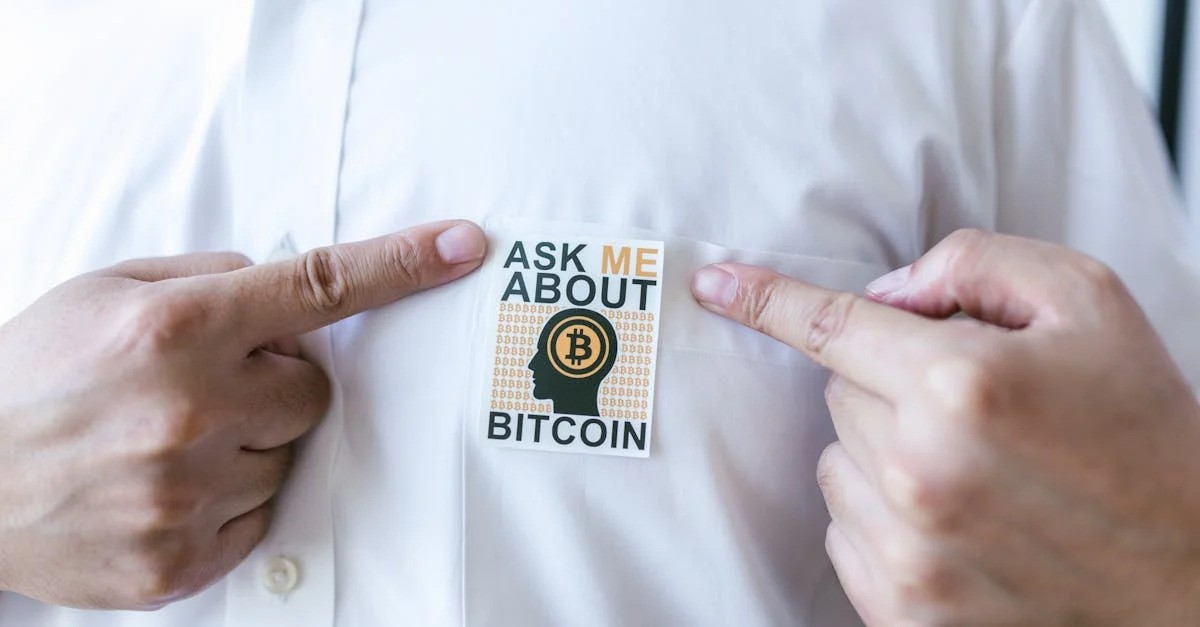
Blockchain-Based Identity Verification: A Secure Digital Future
In a world where identity theft feels as common as losing your keys, blockchain identity verification swoops in like a superhero wearing a digital cape. Imagine a setup where your identity is both secure and instantly verifiable, reducing the headaches associated with traditional systems. We’ve all faced long queues, endless paperwork, and, let’s be honest, a few too many awkward stares while waiting to prove we are indeed who we say we are. With blockchain technology, we can kiss those pains goodbye and welcome in an era of seamless, trustworthy authentication. Ready to immerse? Let’s explore how this revolutionary tech transforms identity verification as we know it.
Understanding Blockchain Technology
At its core, blockchain technology serves as a decentralized digital ledger, recording transactions across multiple computers in a way that ensures the information cannot be changed retroactively without altering all subsequent blocks. Think of it as a high-school yearbook, once published, you can’t just add extra photos or edit out embarrassing moments without a lot of effort. This decentralized nature makes blockchain particularly resilient against attacks and misuse.
With encryption at the heart of its operation, blockchain allows for data to be stored in an unalterable format, which sets the stage for enhanced security. Whether we’re talking about securing financial transactions or safeguarding identities, the promise of impenetrability is what makes blockchain a hot topic in tech circles.
The Importance of Identity Verification
We live in a digital age where our identities are reported almost as frequently as we check our social media feeds. As we navigate through online spaces, the importance of having a verified identity cannot be overstated. It protects us, ensuring that the person on the other end of an online transaction is indeed who they claim to be.
Without proper identity verification, we open ourselves up to fraud, identity theft, and countless other cyber woes. The consequences can be devastating, leading to financial losses, compromised personal information, or even a tarnished reputation. For businesses, inadequate verification can result in trust issues and significant financial ramifications. Hence, the stakes are high when it comes to ensuring that our identities are authentic and secure.
How Blockchain Enhances Identity Verification
Blockchain introduces a level of transformation to identity verification that can’t be ignored. Using cryptographic security, it ensures that identity records are not just safe but verifiable in real time, drastically reducing processing times. For instance, once we establish an identity on the blockchain, it’s there, encrypted and immutable.
Current Use Cases of Blockchain for Identity Verification
Several industries are already taking the plunge into blockchain identity verification. Financial institutions use it to onboard clients securely and efficiently, mitigating risks associated with identity fraud. Governments in various countries are experimenting with blockchain to offer citizens a secure way to manage their digital identities.
Also, healthcare systems are exploring ways to use blockchain to verify patient identities, which can improve security and simplify the sharing of medical records between providers. As we lean more into these advanced applications, we’ll likely find that our reliance on traditional forms of identity confirmation will diminish significantly.
Challenges and Limitations of Blockchain Identity Verification
Now, while blockchain identity verification sounds like a utopia, it’s not without its challenges. For instance, the technology still faces scalability issues. As more transactions flood the network, the time and costs associated with processing can rise, diminishing the benefits.
Also, there are concerns over user privacy. While blockchain is secure, how we manage and share our identities remains a critical topic. We must tread carefully to ensure that while we seek better security, we don’t compromise our personal data or surrender control over our identities. Besides, integration with existing systems can be cumbersome, requiring significant investment in time and resources.
Future Trends in Blockchain Identity Verification
The future holds exciting prospects for blockchain identity verification. As technology evolves, we can anticipate innovations that enhance privacy and user control. Decentralized identity solutions are on the horizon, giving users the power to manage their own data.
We may also see regulatory bodies like governments and international organizations catching up with the technology, leading to standards and guidelines for use. As trust in blockchain systems grows, it’s likely that more industries will adopt this approach, making it a common method of identification in both everyday transactions and commercial activities.